The First Draft Myth: Why Perfectionism Kills Creativity
Professional writers share their secrets for silencing the inner critic.
Thomas Hardy Jr.
Thomas Hardy Jr. writes about the craft and practice of writing.
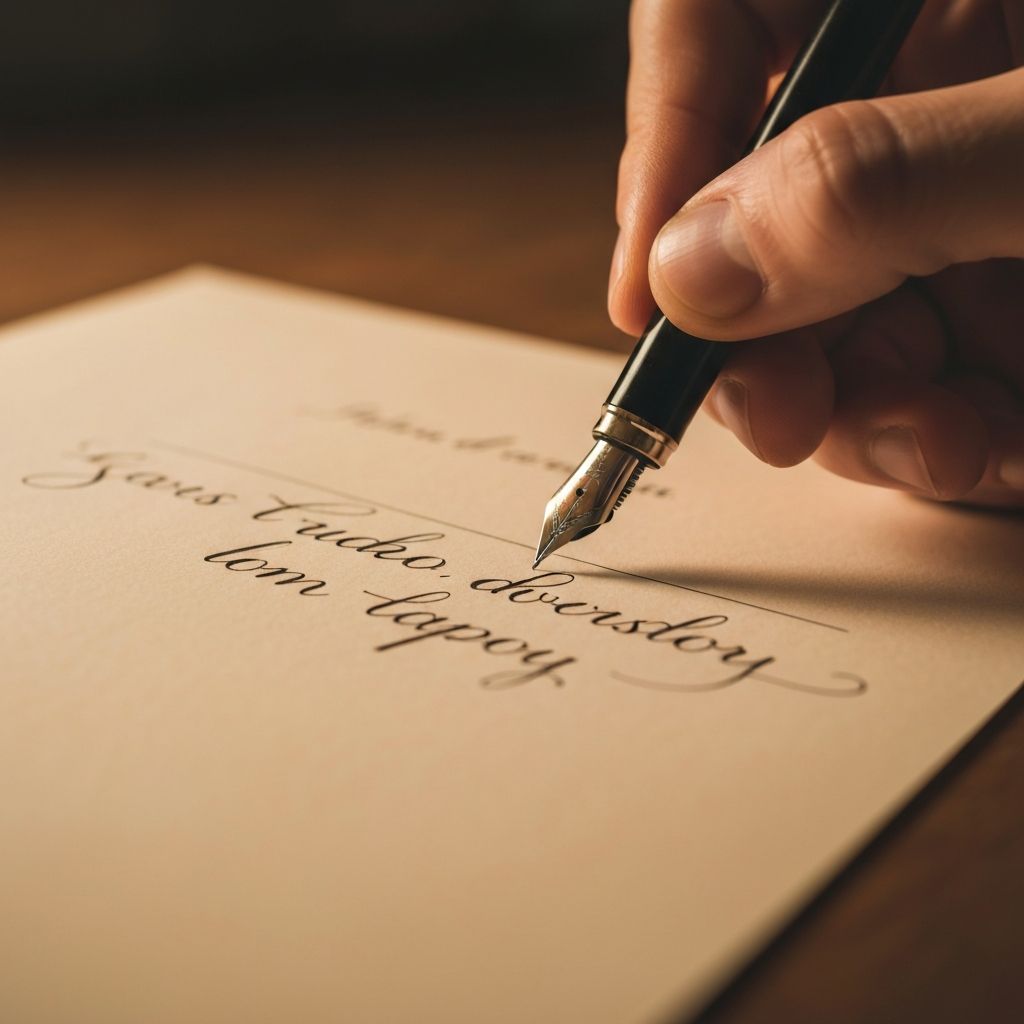
The cursor blinks on an empty page. You type a sentence, then delete it. Type another, delete again. Hours pass with nothing to show. Sound familiar?
The first draft is where most writing dreams go to die—not from lack of talent, but from the paralyzing pursuit of perfection. We've been told that good writing should flow effortlessly, that real writers get it right the first time.
This is, to put it plainly, a myth. And it's one of the most damaging myths in creative culture.
"All first drafts are terrible," says novelist Anne Lamott, whose 'Bird by Bird' has become essential reading for struggling writers. "I would write a first draft that was maybe twice as long as it should be, with a self-indulgent and boring beginning, stupefying descriptions, and dialogue that was deadly."
The solution isn't to write better first drafts—it's to give yourself permission to write badly. The goal of a first draft is simply to exist. Everything else can be fixed in revision.
Many professional writers use techniques to bypass their inner critic. Some write longhand, which forces slower, more forgiving progress. Others set word count goals rather than quality goals. Still others use timers to create urgency that overrides perfectionism.